
The Confessing Church in Germany saw the dangers of Nazism encroaching and in 1934, leaders met in the city of Barmen-Wuppertal to put together a declaration that would magnify their Christian convictions and point out areas of dissent.
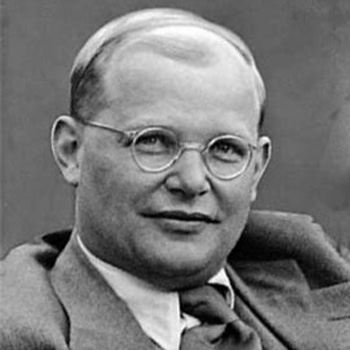
Bonhoeffer skipped the meeting. He would sign the declaration later, but he had concerns about group statements because things tended to get diluted in the end product. He found many key areas too evasive.
What was difficult in that time period was making hard choices on language and simply “calling out” the dangers they saw as the Nazi party was gaining power and influence. It was also difficult when some members of that group writing the declaration were card-carrying members of the Nazi Party.
The declaration did have some bite to it, rejecting outright the Fuhrer principle, which would allow for Hitler to be dictator.
For Bonhoeffer, however, dogmatic proclamation would never be enough. There needed to be concrete work to go with any declaration. Obedience couldn’t be separated from confession.
“The kingdom of heaven does not suffer lip service.” (Strange Glory, p. 225)
There are stands that have to be made and the consequences suffered. The call is NOT to “resist” and then complain when the consequences are given. It is to resist and take the consequences. Bonhoeffer was ready for action.
The Church has to be willing to act in conviction, not just verbalize it.
 Apprentice 2 Jesus
Leave a comment